Standing water, a soggy lawn, and a damp basement are three of the clearest signs your property has a drainage problem. Other warning signs include foundation cracks, dying plants, eroded soil, and more mosquitoes than usual. Catching these signs early can save you thousands of dollars in repair costs later.
What Counts as a Drainage Problem?
A drainage problem happens when water can’t move off your property the way it should. Instead of soaking into the soil or flowing to a low point, water pools, sits, or pushes into places it doesn’t belong. Left alone, it can damage your lawn, your foundation, and the structure of your home.
Signs You’ll Notice Outside Your Home
Standing Water That Won’t Drain
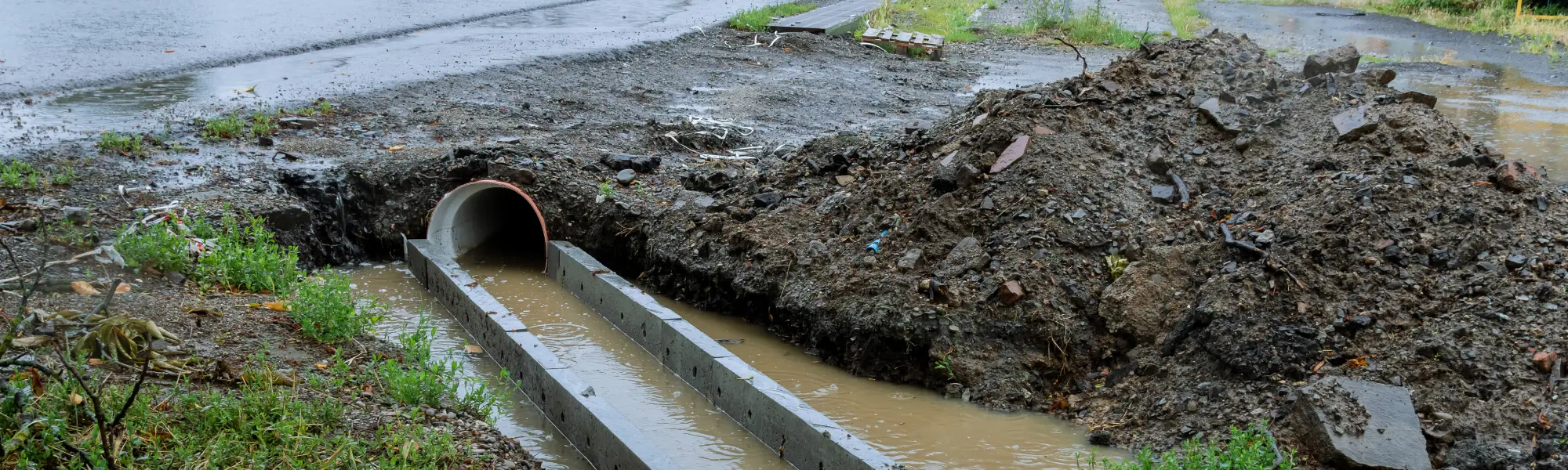
If puddles sit in your yard for more than a day or two after it rains, your property isn’t draining right. Healthy soil and proper grading move water away within hours. Water that lingers means it has nowhere else to go, and it usually collects in the same spot every time it rains.
A Soggy or Mushy Lawn
Grass that squishes under your feet, even on dry days, is a warning sign. So is grass that stays a darker green in one area while the rest of your lawn dries out normally. Both point to water sitting close to the surface, and mowing over these spots often leaves ruts that make the problem worse.
Soil Erosion and Bare Patches
Watch for small channels cut into your yard, exposed roots, or bare dirt where grass used to grow. Fast-moving runoff carries topsoil away with it. Over time, this can undercut walkways, patios, and even your driveway.
Did You Know? More pavement and rooftops in developed areas mean less soil is left to soak up rain. The EPA reports that impervious surfaces send water rushing off properties instead of letting it filter into the ground naturally, which is why drainage problems have gotten more common as neighborhoods grow.
Signs You’ll Notice Near Your Home
Water in Your Basement or Crawl Space
Damp floors, musty smells, or actual puddles in your basement usually trace back to water outside the home, not a plumbing leak. Grading, gutters, or a nearby drainage system are the more likely cause.
Cracks or Dampness Near the Foundation
Soil that stays wet against your foundation puts constant pressure on the walls below ground. That pressure can lead to cracking, bowing, or a foundation that slowly shifts out of place. In colder months, that same wet soil can freeze and thaw, which makes the pressure even worse.
Pro Tip: Walk your property 24 to 48 hours after a heavy rain, not right after it stops. This is when you’ll see exactly where water is still sitting instead of where it briefly passed through.
Signs That Point to a Bigger Problem
Dying Plants and Landscape Damage
Plants that thrive everywhere except one soggy corner of the yard are telling you something. Waterlogged roots can’t get enough oxygen, so even hardy plants struggle or die in spots where drainage has failed.
More Mosquitoes Than Normal
A sudden jump in mosquitoes around your property often means standing water somewhere nearby, even water you haven’t noticed yet. Low spots, clogged gutters, and pooling near foundations are common culprits.
Did You Know? A mosquito egg only needs 7 to 10 days to grow into a biting adult, according to the CDC’s mosquito life cycle data. That means a puddle you overlook for a week and a half can turn into a mosquito problem on its own.
How We Check a Property for Drainage Problems
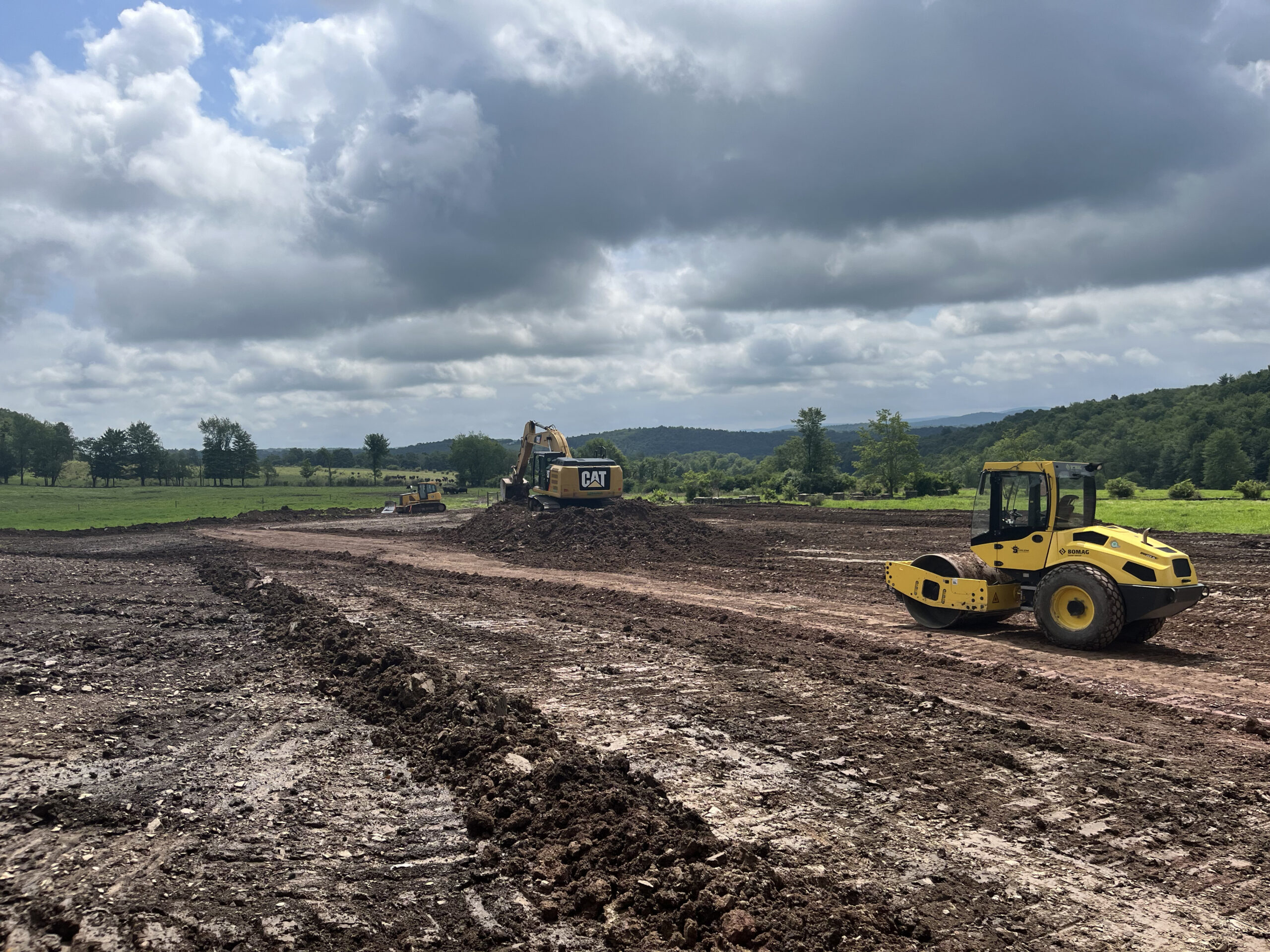
When our crew walks a property in Susquehanna County, we don’t start at the low spot where water is obviously collecting. We start at the roofline. Gutters and downspouts tell us where water is entering the system in the first place, and from there we trace the path it takes across the yard, noting every place the slope flattens out or reverses. Most homeowners assume their drainage problem needs a French drain. Often, the real fix is simpler: correcting the grade so water never has a reason to pool in the first place. We only recommend a French drain, catch basin, or swale once grading alone won’t solve the problem. This order matters. Installing a drain system on top of a grading problem treats the symptom and leaves the real cause in place, which means the same signs tend to come back within a season or two.
Pro Tip: If your gutters overflow during a normal rain, check them before you invest in yard drainage work. A clogged or undersized gutter system can create a drainage problem that looks like it’s coming from your soil.
Our stormwater and drainage solutions start with this same walkthrough on every property we visit. If the signs above sound familiar, addressing them early costs far less than repairing foundation or structural damage later. Standing water near a foundation can also point to a site grading or excavation issue rather than a drainage system problem on its own, which is why we look at the whole property before recommending a fix. In cases where drainage has already led to foundation movement, our foundation restoration and house jacking services can correct the settling before drainage work begins.
For a deeper look at how drainage systems work together across an entire property, see our complete guide to stormwater management.
Drainage problems rarely fix themselves, and they tend to get worse with every storm. The seven signs above, standing water, a soggy lawn, erosion, basement moisture, foundation dampness, plant damage, and extra mosquitoes, are your property’s way of telling you something needs attention.
If you’ve spotted one or more of these signs, don’t wait for the next heavy rain to find out how bad it’s gotten. Contact Herbert Excavating for a drainage evaluation, and we’ll walk your property, find the source, and recommend a fix that solves the actual problem instead of just moving water somewhere else.
Frequently Asked Questions
What is the most common sign of a drainage problem? Standing water that sits in your yard for more than a day or two after rain is the most common sign. It usually means water has nowhere to go once it hits your property.
How do I know if a basement leak is caused by drainage? If moisture shows up after rain and not during dry weather, drainage outside your home is the likely cause. Grading, gutters, or a failing drainage system near the foundation are common sources.
Can a drainage problem damage my foundation? Yes. Soil that stays saturated against your foundation creates constant pressure on the walls below ground. Over time, this pressure can cause cracking, bowing, or shifting.
How much does it cost to fix a drainage problem in Pennsylvania? Cost depends on the cause and size of the property. Simple regrading costs less than installing a French drain or catch basin system, which is why a full property evaluation comes first.
Can I fix a drainage problem myself? Minor fixes, like clearing gutters or redirecting a downspout, are doable on your own. Grading issues, foundation-level water, or larger yards usually need professional equipment and an accurate slope assessment.