Proper grading helps prevent winter water damage by giving rain and snowmelt a clear path away from buildings. A steady surface slope limits pooling near the foundation, keeps soil from staying wet, and lowers the chance that runoff will freeze where people walk or drive.
Grading is one part of a larger water plan. Herbert Excavating’s stormwater management guide explains how surface grading, swales, inlets, and buried drains can work together. The right mix starts with one question: Where does water travel across the site?
Why Winter Makes Poor Grading Easier to See
A yard may look dry in fall and still have a winter flow problem. Snow stores water on the ground. When the sun or a warm day melts that snow, runoff can cross frozen soil instead of soaking in. It follows low spots, wheel ruts, and slopes toward the next low point.
If the low point sits beside a house, water can collect against the foundation. Wet soil near the wall can stay saturated. Water may also move toward a basement entry, garage, walk, or driveway. When the temperature drops, that same flow may refreeze.
PennDOT’s highway drainage guidance offers a useful principle for property owners without acting as a home design rule. Its Drainage and Drainage Systems manual says drainage moves surface water away, limits standing water and ice, and reduces saturated ground and frost heave. It also calls for fall cleaning and spring checks after snow and ice melt.
Did You Know: Snowmelt can expose a drainage problem even when there is no rain. Frozen or firm ground can send meltwater along the surface, where small dips and blocked paths guide it toward a low area.
How Grading Prevents Water Damage Around a Building
Grading shapes the ground so water moves in a planned direction. Near a building, the surface should fall away from the wall rather than lean back toward it. Farther out, the grade should carry water to a safe outlet without sending it onto a neighbor’s land or a public road.
There is no single slope number that fits every Pennsylvania property. The needed grade depends on the site’s elevations, soil, buildings, driveway, runoff source, outlet, and local rules. A contractor may measure elevations and set a steady fall that moves water while limiting erosion.
This is why a drain is not always the first fix. A pipe placed in the wrong low spot may collect little water. It may also leave the main surface flow unchanged. The better first step is to check the land’s shape, the slope, and where water really travels. Herbert’s public stormwater and drainage process starts by tracing where water comes from, where it goes, and what causes the problem.
Positive, Flat, and Negative Grade
A positive grade falls away from the building. A flat grade has too little fall to move water well. A negative grade falls toward the building. Soil can also settle over time and create a bowl near the wall, even if the yard once drained in the right direction.
Regrading may cut down a high area, add and shape suitable fill in a low area, or do both. The final surface needs a clear route to an outlet. New low spots can move the problem rather than solve it.
Pro Tip: Watch the property during a steady rain or active snowmelt. From a safe spot, note where water begins, which way it moves, where it slows, and where it ends. Photos can help compare wet-day flow with the dry site.
What to Check Before the Ground Freezes
Early fall is a good time to find blocked paths and settled soil. Start at the building and work outward. Look for soil that tilts toward the wall, dips below downspouts, or holds water after rain. Check basement doors, window wells, walks, garage aprons, and driveway edges.
Then follow the full flow path. Leaves, sticks, sediment, landscape edging, and snow piles can block a swale or inlet. A clear start does little good if water has nowhere to leave the property. PennDOT’s winter guidance says meltwater should reach an off-pavement drainage system because water that returns to pavement may refreeze. It also says drainage inlets must stay open. That manual covers highways, not home design, but the flow lesson still helps with a home check.
A Simple Fall Walk-Through
Check these areas before freeze-up:
- The first stretch of ground beside the foundation
- Low spots between the house and yard
- Downspout discharge points
- Swales, ditches, grates, and visible outlets
- Driveway edges and the garage approach
- Places where plowed snow will sit and later melt
Do not fill a low spot until you know where the added water will go. Moving water away from one wall could send it toward another structure or trap it at a walkway.
Did You Know: PennDOT calls for drainage checks after heavy rain and in spring after snow and ice melt. Those times also give a property owner a clear view of blocked channels, erosion, and settling.
Pro Tip: Keep leaves and loose debris out of open flow paths before the first lasting freeze. Do not enter a deep ditch, touch a flooded electrical area, or work on icy slopes. Use a trained contractor when the route or outlet is hard to read.
When Regrading Is the Right Fix
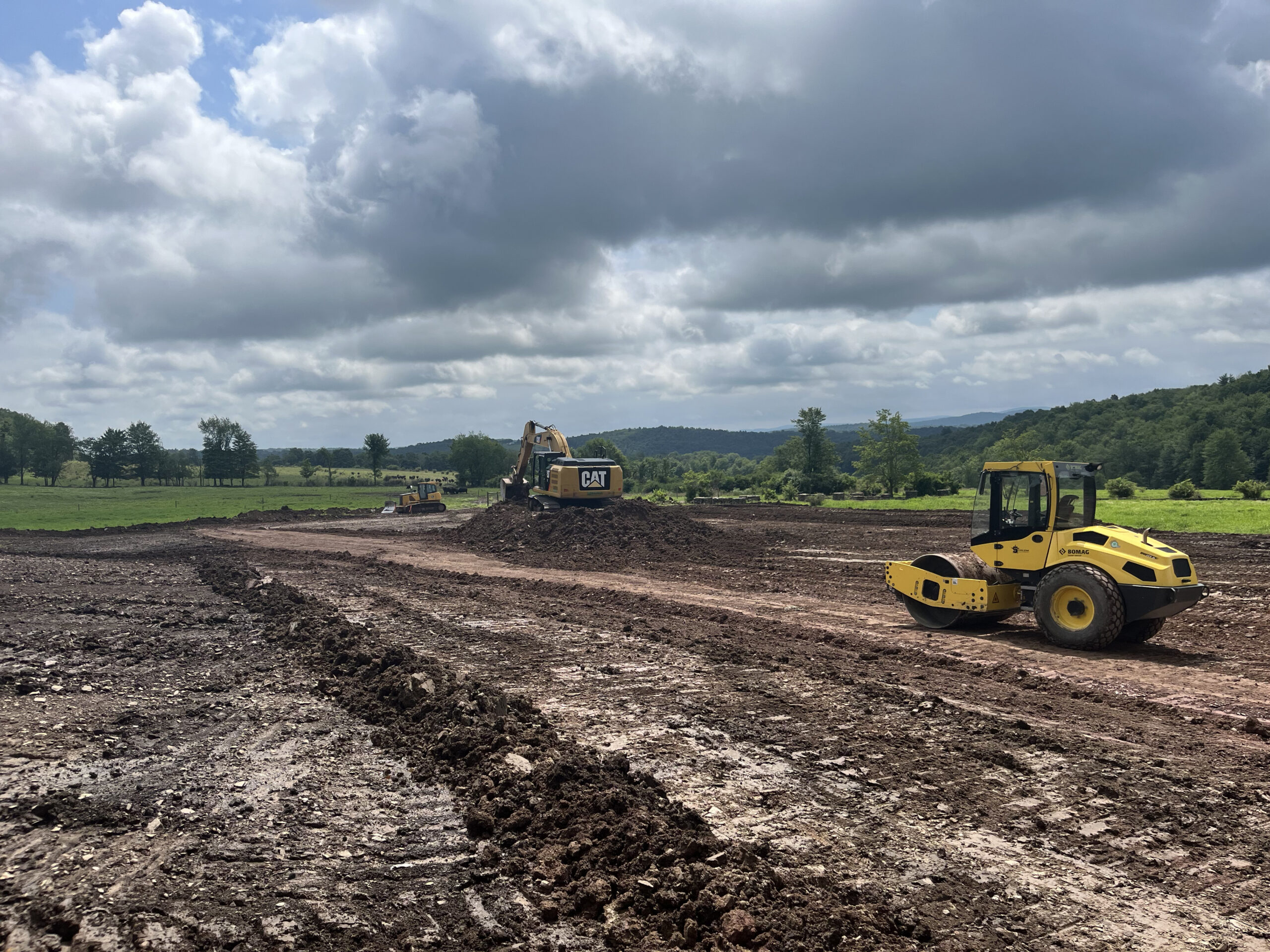
Regrading makes sense when surface water follows the wrong slope, sits in a low area, or runs back toward a building. The work can reshape the problem area and connect it to a path that carries water away. Herbert Excavating provides excavation and site preparation work that includes grading and final shaping for drainage.
A site check should cover more than the wet spot. The contractor needs to find the water source and outlet, read the elevations, and check nearby hard surfaces. Roof flow, an uphill yard, a driveway, or compacted soil may add water faster than the surface can move it.
When Grading May Need Help
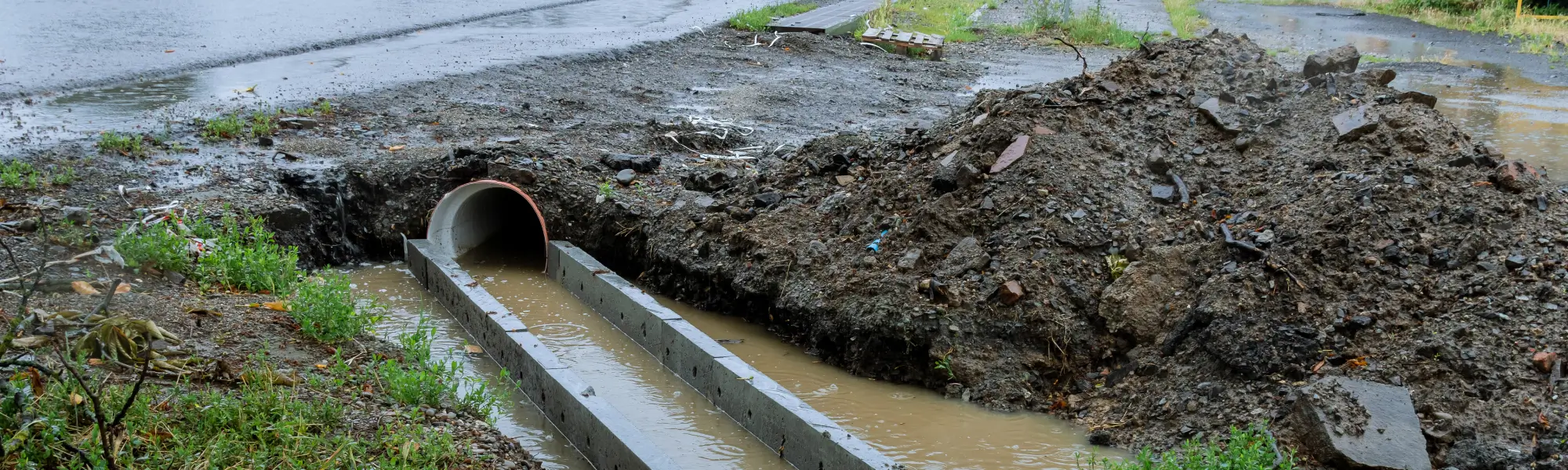
Grading mainly controls water moving over the surface. Water already moving through the soil may need a buried drain. A concentrated flow may need a swale, catch basin, or pipe. Some properties need both surface shaping and drainage parts.
Did You Know: A buried drain needs an open outlet. PennDOT warns that a subsurface drain with a blocked outlet can hold water instead of carrying it away. The same basic issue can affect a private drainage system.
The right fix depends on the whole route, not the name of one product. A plan may pair regrading with another feature, but each part should have a clear job and a workable outlet.
Frequently Asked Questions
How does grading prevent water damage in winter?
Grading gives rain and snowmelt a surface path away from a building. This limits pooling near the foundation and helps keep runoff off walks and drives, where it may refreeze. The grade still needs a clear outlet.
How can I tell if my yard slopes toward my foundation?
Look across the ground from several angles, then watch it during rain or snowmelt. Water moving toward the wall, puddles beside the house, and settled soil near the foundation all point to a possible grade problem. Elevation tools give a better answer than sight alone.
Can regrading fix every wet basement problem?
No. Regrading can correct surface flow, but it does not solve every source of basement water. Groundwater, failed pipes, cracks, or other building issues may call for other work. Start by finding where the water comes from.
Should I add a French drain before regrading?
Not always. First trace the surface flow and check the slope and outlet. If surface water is the main cause, shaping the land may be the first step. Water moving through the soil may call for a French drain or another buried system.
Plan a Grading Check Before Winter
Good winter drainage starts with the shape of the land. A steady grade, a clear flow path, and an open outlet help move rain and snowmelt away from buildings. Checking those parts in fall can reveal settled soil, blocked swales, and snow-storage spots that may send meltwater the wrong way.
Herbert Excavating LLC is a full-service excavation and land-management contractor based in Kingsley, Pennsylvania. The company has served northeastern Pennsylvania, including Kingsley, Scranton, and Wilkes-Barre, since 2015. Read the stormwater management guide for the larger drainage plan, then contact Herbert Excavating to schedule a grading consultation for your property before winter arrives.